White House to Detail Strategic Bitcoin Reserve Soon
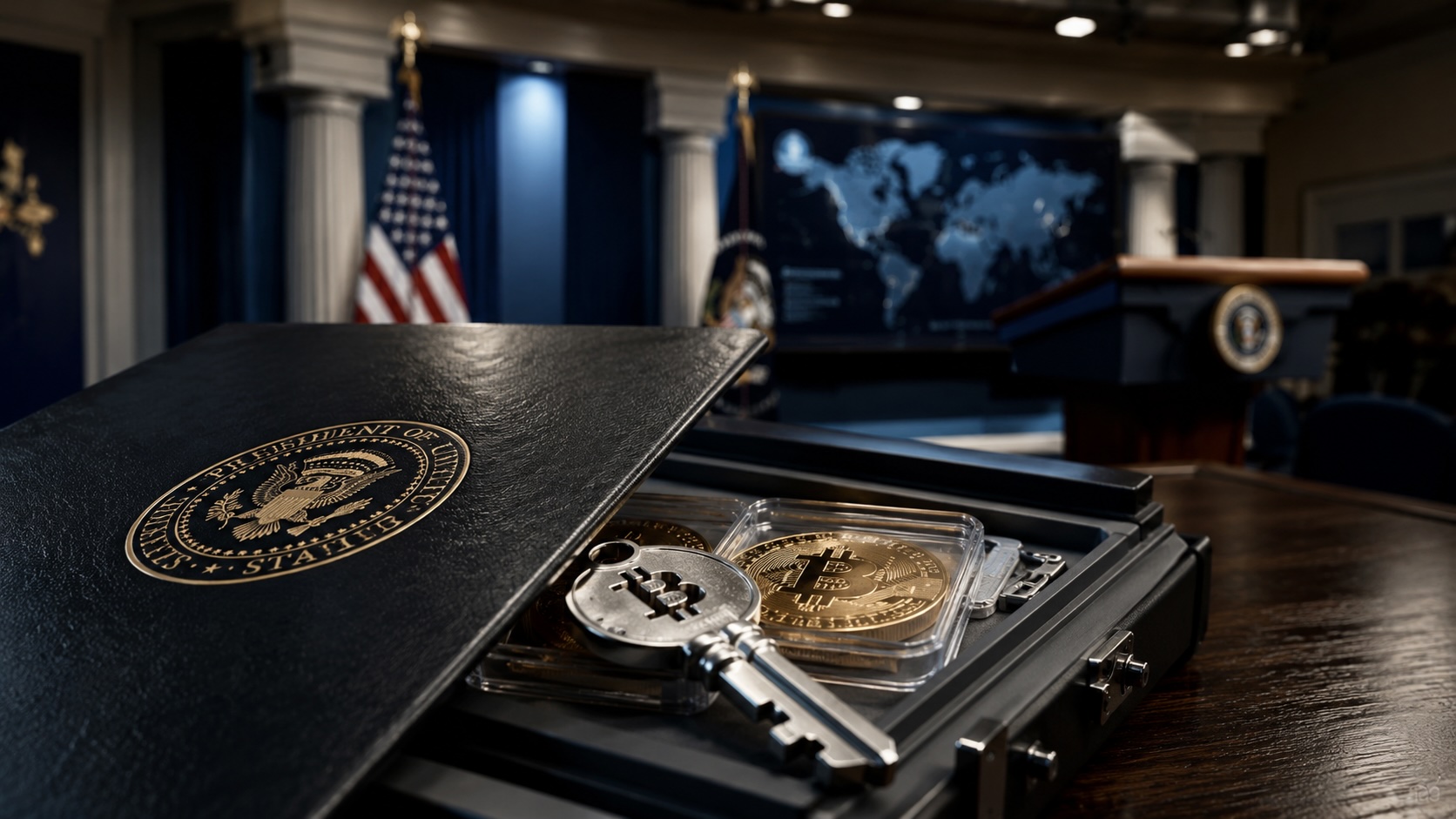
White House will outline plans for a Strategic Bitcoin Reserve in the coming weeks after an alleged $46 million theft from U.S. Marshals’ crypto wallets.
The White House plans to disclose detailed guidance for a Strategic Bitcoin Reserve within weeks, an administration official announced at the Consensus Miami conference after an alleged $46 million theft from U.S. Marshals Service cryptocurrency wallets.
Patrick Witt, senior White House digital assets official, told attendees the administration has “made a lot of progress in the background” and will explain “where we are going” on the reserve and the broader digital asset stockpile.
Witt linked the timing of the guidance to a security breach involving assets held by the U.S. Marshals Service earlier this year. The incident, investigators say, involved the alleged theft of about $46 million in seized crypto assets and led to the March arrest of John Daghita in Saint Martin.
The Strategic Bitcoin Reserve was created by executive order in March 2025. The order directs the federal government to hold forfeited Bitcoin as a reserve asset rather than sell it through the usual disposal process, and it established a U.S. Digital Asset Stockpile for other cryptocurrencies. Agencies were ordered to inventory their holdings and review how those assets should be transferred, secured and managed.
Officials have not turned the policy into a full accumulation program. The administration says any future Bitcoin acquisitions must be budget-neutral, meaning the program should not require new taxpayer funding.
Key questions remain unresolved, including whether the government will only retain seized Bitcoin or also acquire additional amounts, which agency will have custody, how holdings will be audited and the mechanics for moving assets from enforcement accounts into the reserve.
Witt stressed that custody and security will be central to the next phase. “Custody is unique for digital assets,” he said, and the Marshals incident prompted officials to tighten controls and storage practices.
Federal law enforcement agencies currently hold many seized cryptocurrencies in wallets tied to contracts with private vendors. Investigators allege the March theft involved misuse of access at a contractor that maintained systems for the U.S. Marshals Service. The breach prompted renewed review of how forfeited digital assets are handled across the government and accelerated internal work on custody frameworks.
Witt did not provide a firm date for the public guidance but repeated that the announcement would arrive “in the coming weeks.” The forthcoming guidance is expected to set out steps for agency accounting, custody arrangements, audit requirements and any limits on future acquisitions consistent with the executive order’s budget-neutral requirement.
Tags
Articles by this author