
Canada proposes nationwide ban on crypto ATMs
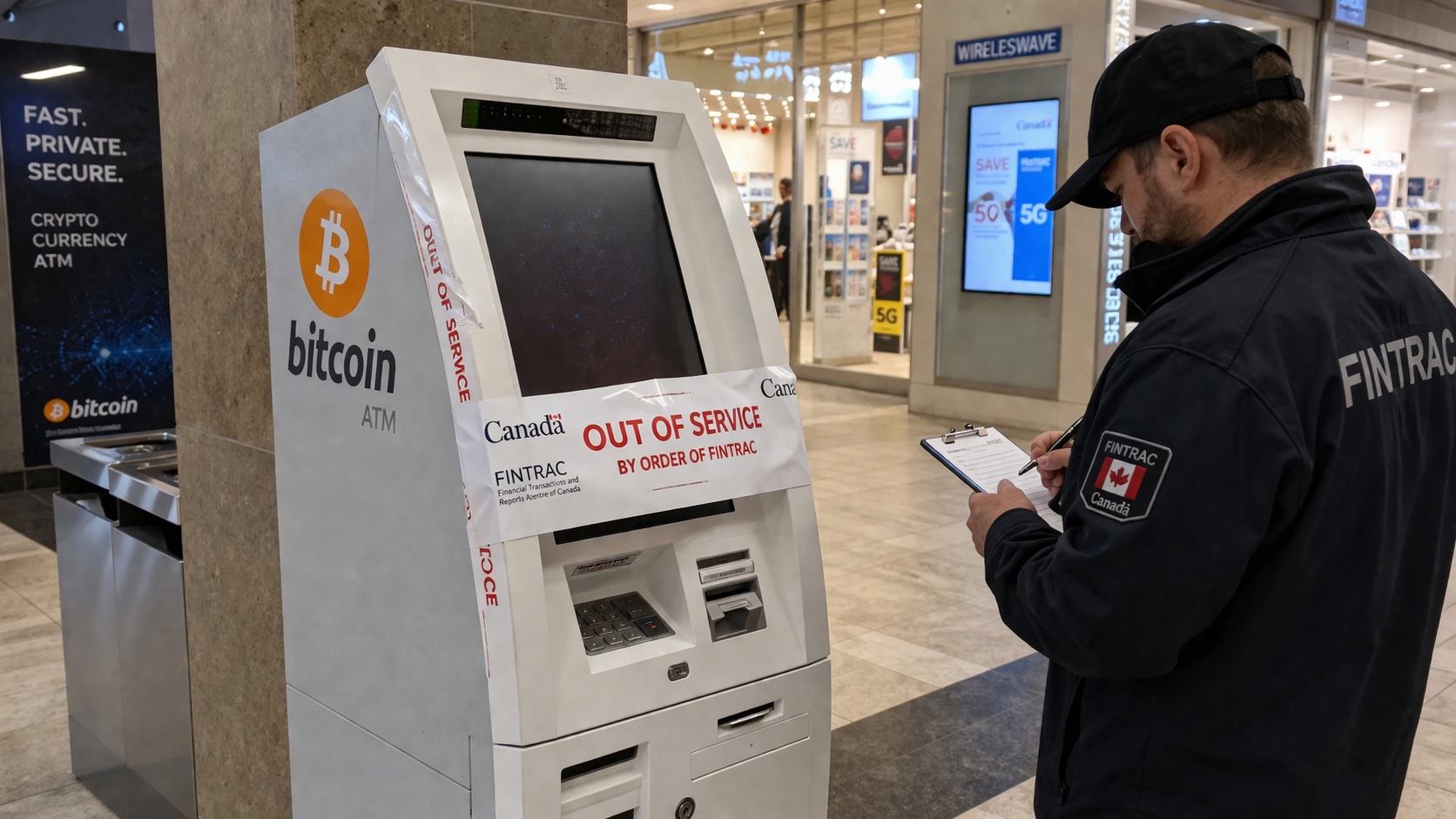
Ottawa proposed banning nearly 4,000 cryptocurrency ATMs in the Spring Economic Update 2026 to curb their use in scams and criminal money laundering.
Ottawa proposed a nationwide ban on nearly 4,000 cryptocurrency ATMs in the Spring Economic Update 2026, stating the kiosks are used by scammers to defraud victims and to launder criminal proceeds. “To protect Canadians by shutting down a primary method for scammers to defraud victims and for criminals to place their cash proceeds of crime,” the update says.
There are about 4,000 crypto ATMs in Canada, one of the highest concentrations per capita worldwide. Federal officials noted the machines’ volume and easy access make them attractive for fraud and for rapid conversion of cash into digital assets that can be difficult to trace once transferred.
The proposal would not remove regulated in-person services. Consumers would still be able to buy digital assets at licensed money services businesses (MSBs) that operate physical locations while the government seeks to reduce the sector’s exposure to illicit activity.
Parliament is also advancing Bill C-25, which would bar federal political campaigns from accepting cryptocurrency donations. The bill passed second reading with cross-party support and has been referred to committee for review.
Other jurisdictions have taken steps on crypto ATMs. The U.K. ordered kiosks to close in 2022 after finding operators unregistered. Australia increased oversight of crypto kiosks in 2025. U.S. authorities reported losses of more than $333 million from Bitcoin ATM scams in 2025, up from about $250 million the year before, with older adults making up the majority of reported victims.
The Spring Economic Update did not provide a timeline for implementing a ban. Any prohibition would require regulatory or legislative measures, and operators and MSBs could face new compliance requirements or prohibitions. Law enforcement and consumer protection agencies have repeatedly warned that fraud schemes often instruct victims to convert cash at a kiosk and then transfer the funds to criminals.
Tags
Articles by this author









