
KOLs meaning in crypto

Learn what does kols mean in crypto, how Key Opinion Leaders shape narratives, influence communities, and differ from regular influencers.
On this page
What is a KOL in crypto
A KOL, or Key Opinion Leader, is a person whose knowledge, reputation, and public voice can influence how others understand a market, product, technology, or trend. In crypto, the term usually refers to people who shape discussion around blockchain networks, tokens, exchanges, DeFi protocols, NFTs, regulation, security, or market cycles.
The simplest KOL meaning crypto definition is this: a crypto KOL is someone whose opinions carry weight because people believe they understand the industry better than the average commentator. That trust may come from building a protocol, founding a major company, trading publicly through several cycles, writing detailed analysis, or consistently explaining complex topics in a clear way.
Crypto KOLs are especially important because the market is information-heavy and fast-moving. New chains, token launches, airdrops, governance votes, hacks, ETF flows, legal cases, and macro signals can all affect sentiment. Many retail users do not read white papers, GitHub updates, court filings, or protocol documentation directly. Instead, they often rely on trusted voices to explain what is happening and why it may matter.
A KOL can educate, simplify, warn, promote, criticize, or frame a debate. The best ones help audiences understand risk and context. The worst ones can turn attention into hype without enough disclosure or substance.
The role of KOLs
KOLs in crypto influence the market in several ways. First, they help shape narratives. A single thread, podcast appearance, blog post, or conference talk can push attention toward a theme such as modular blockchains, Bitcoin treasury adoption, liquid staking, restaking, real-world asset tokenization, stablecoins, privacy, or AI agents.
Second, KOLs can affect project visibility. A new protocol may have strong technology but little awareness. When respected analysts, founders, traders, or educators start discussing it, the project can quickly reach developers, investors, liquidity providers, and users. This does not guarantee long-term success, but it can speed up discovery.

Third, KOLs build and activate communities. Crypto communities live on X, Telegram, Discord, YouTube, Farcaster, podcasts, newsletters, and conference circuits. KOLs often act as translators between core teams and broader audiences. They explain roadmap updates, governance proposals, tokenomics, security concerns, or ecosystem incentives in language that ordinary users can follow.
Fourth, they can influence market psychology. Crypto is highly sentiment-driven. When a trusted Bitcoin advocate speaks about institutional adoption, or a DeFi analyst questions a protocol’s risk model, people listen. The effect can show up in attention, liquidity, token price, developer interest, or media coverage.
The strongest KOLs usually have a clear niche. Some are technical educators. Some focus on macro and Bitcoin. Some cover trading and liquidity. Others focus on regulation, venture capital, on-chain data, security, or specific ecosystems.
Main crypto KOLs shaping the market
There is no official ranking of the most important crypto KOLs, and influence changes with each cycle. Still, several public figures consistently shape industry discussion.
Vitalik Buterin is one of the most influential technical voices in crypto. Ethereum’s own history page states that Ethereum was founded by Buterin in 2013 and launched in 2015, which gives his commentary unusual weight across Ethereum, Layer 2 scaling, governance, privacy, public goods, and protocol design. His influence comes less from promotion and more from technical writing and long-term ecosystem direction.
Michael Saylor is a leading Bitcoin-focused KOL in crypto, especially for institutional audiences. Strategy describes him as its founder and Executive Chairman, and the company has become closely associated with corporate Bitcoin treasury strategy. His public comments often frame Bitcoin as a long-term reserve asset rather than a short-term trade.
Brian Armstrong, co-founder and CEO of Coinbase, is influential at the intersection of exchanges, regulation, product adoption, and U.S. crypto policy. Coinbase identifies him as Co-Founder and Chief Executive Officer, while Armstrong’s own bio describes Coinbase as serving more than 100 million verified users in over 100 countries. That platform gives his views broad relevance for both retail and institutional crypto adoption.
Changpeng Zhao, widely known as CZ, remains one of the most recognized exchange-era crypto personalities. He is best known as the co-founder and former CEO of Binance, and his public commentary still attracts attention across exchange operations, BNB Chain, global adoption, and market sentiment. Binance-linked coverage in 2026 still describes him as Binance co-founder and former CEO, showing that his personal brand remains highly visible even after stepping away from the CEO role.
Arthur Hayes is influential among traders and macro-focused crypto readers. His Medium profile describes him as co-founder of 100x, focused on trading, crypto, financial literacy, and investor education. His long-form essays often connect crypto markets with central banks, liquidity, rates, leverage, and investor psychology.
Balaji Srinivasan sits in a different niche: crypto, technology, governance, network states, and digital communities. His own bio describes him as founder of the Network School and author of The Network State, while the project’s site frames technology as a way to build new companies, communities, currencies, and even new forms of political organization.
These figures do not influence the market in the same way. A protocol founder can shape technical direction. A CEO can affect regulatory and adoption narratives. A trader can move sentiment around liquidity. A writer can create a framework that others repeat for years.
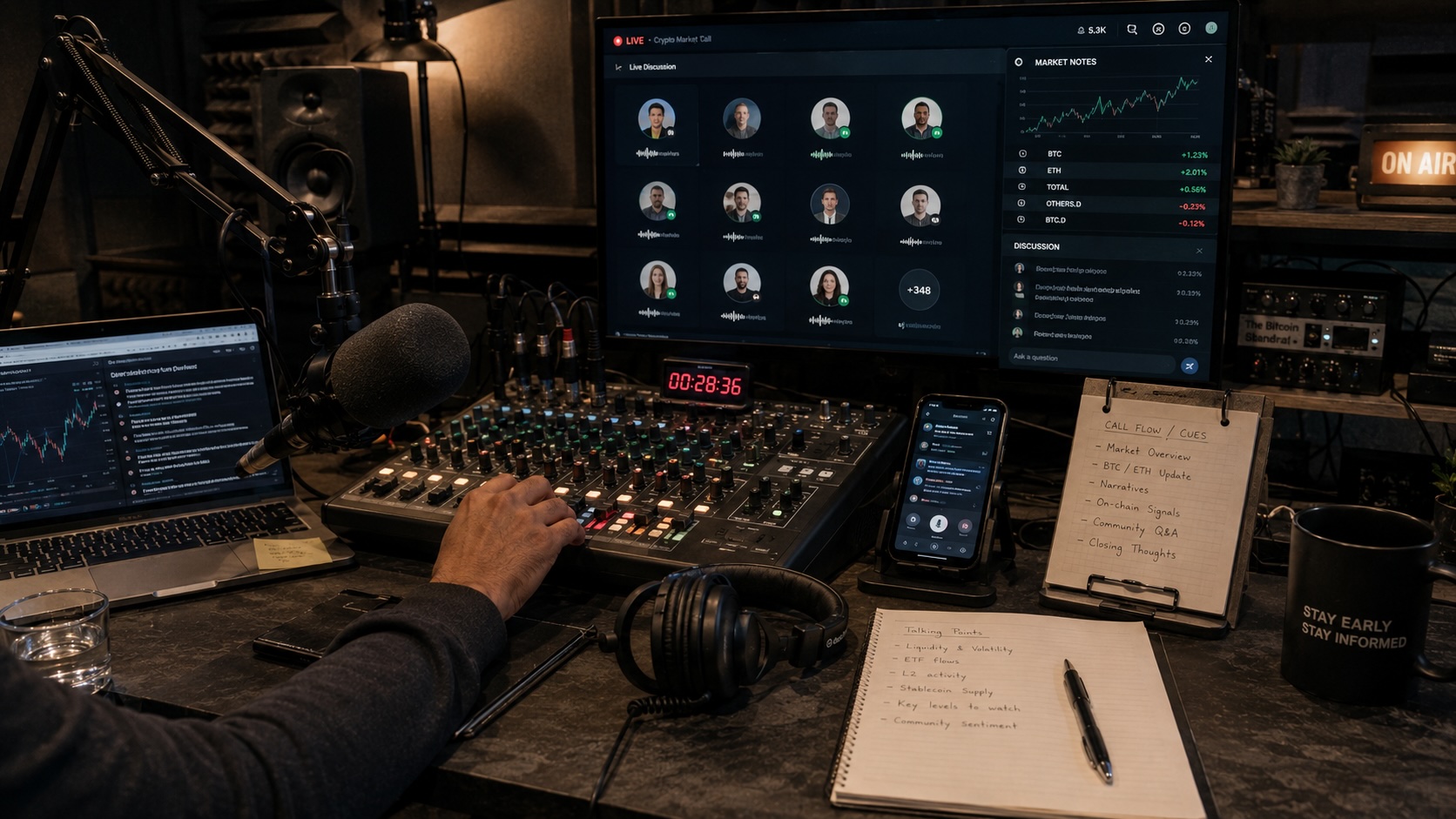
KOLs vs Influencers
The phrase KOLs meaning in crypto is often confused with “crypto influencers,” but the two are not always the same.
An influencer is usually defined by reach. They may have a large audience, strong content skills, high engagement, and the ability to make a token, product, meme, or trend visible. Their value often comes from distribution.
A KOL is usually defined by authority. They may also have a large audience, but their main value comes from expertise, experience, track record, or recognized judgment. A KOL can influence people even with a smaller audience if that audience includes founders, developers, funds, market makers, journalists, or policy professionals.
The difference shows up in trust. Influencers often depend on content volume, personality, and platform algorithms. KOLs depend more on credibility. A good KOL can say something unpopular and still be taken seriously because the audience believes there is substance behind the view.
Impact is also different. An influencer may drive short-term attention to a campaign, token launch, or exchange listing. A KOL may shape how people understand an entire category. For example, a strong technical KOL can change the debate around scaling. A macro KOL can shift how investors think about Bitcoin’s role in a portfolio. A regulatory KOL can help users understand why a court ruling or bill may affect the industry.
The best crypto voices often combine both qualities: they have reach and authority. The risk appears when influencer-style promotion is presented as expert analysis. In crypto, where paid campaigns, token incentives, and undisclosed relationships are common, readers should always ask why a person is saying something, what they know, and whether they have a financial interest in the outcome.
Articles by this author









