UNDP expands Stellar pilot after aid fees drop 80%
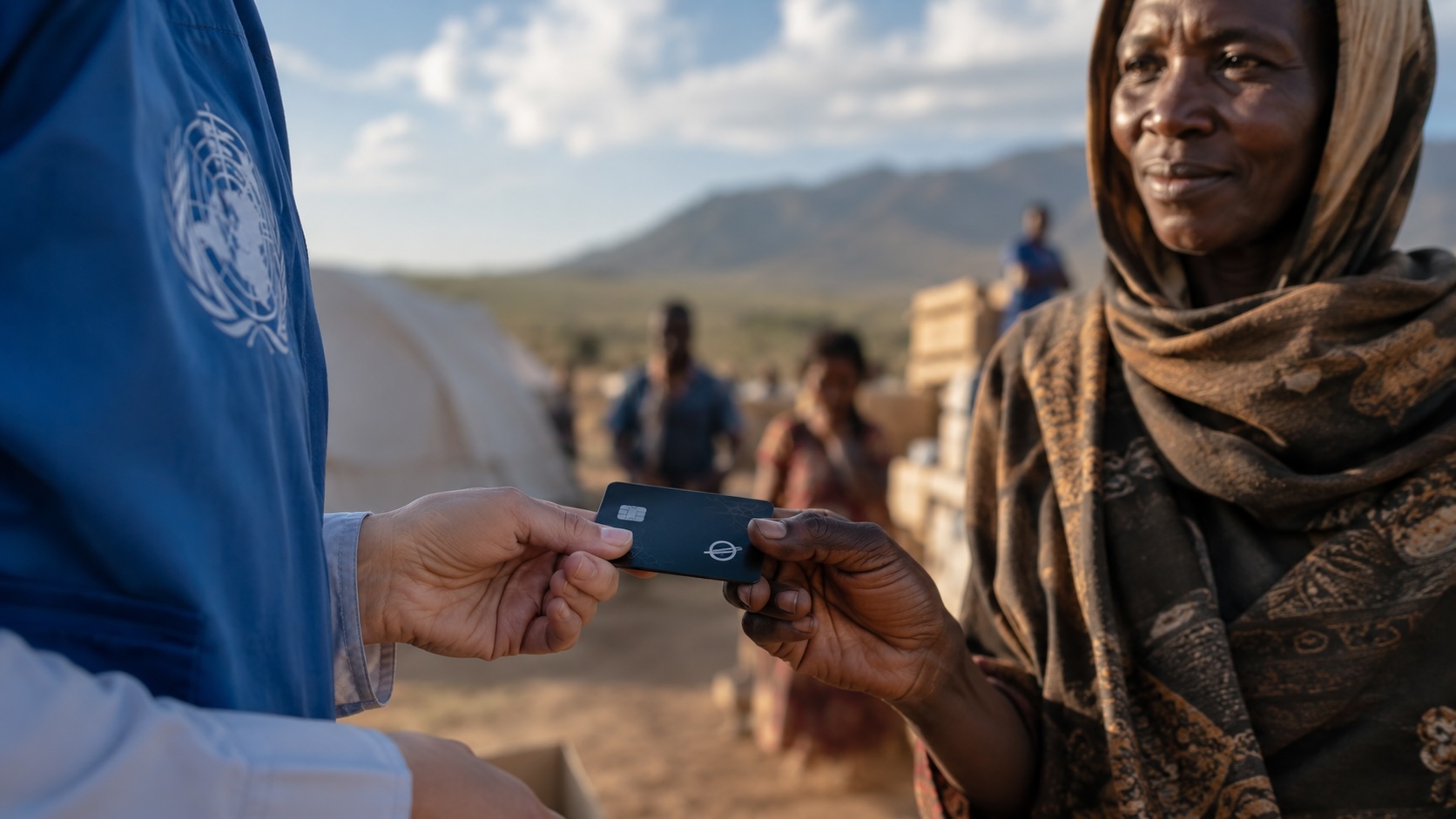
UNDP will scale its partnership with Stellar after a 16-month pilot cut aid transfer costs from about 10% to 2% using blockchain-based stablecoins.
The United Nations Development Programme will expand its partnership with blockchain network Stellar after a 16-month pilot reduced aid transfer costs from about 10% to 2%. The program will move from piloting into a scaling phase to expand digital payments and tracking in hard-to-reach areas.
The pilot ran across Haiti, Syria, Guatemala, Kenya and other countries. Tests included cash-for-work stipend transfers in locations with low cellular network connectivity. UNDP’s Alternative Finance Lab reported a 100% success rate for transfers, including in areas with poor mobile coverage. Robert Pasicko of the lab noted: “We have shown that digital payments can reach the people that conventional systems miss, and in some of the hardest places to operate.”
UNDP and Stellar reported that using stablecoins on public blockchain rails lowered transfer costs from roughly 10% under conventional methods to about 2%. The partners say lower transfer fees could extend the reach of limited donor funds and that digital tracking tools improve traceability as the program scales.
Candace Kelly, Stellar’s legal chief, described the pilot as evidence of “the viability of blockchain rails in last-mile connectivity.” The pilot prioritized open, public blockchain layers designed for intermittent connectivity and limited local banking options.
Cryptocurrency firms have previously moved funds for disaster response. A cryptocurrency exchange transferred $3 million in USDT to earthquake victims in Venezuela and supported relief efforts for flooding in the Philippines and Ebola responses in the Democratic Republic of Congo and Uganda. UNDP and Stellar pointed to banking breakdowns in Sudan and Afghanistan, where traditional systems left recipients unable to receive international transfers.
A Market Impact report found that some U.S. humanitarian aid measures fell by 88%, increasing pressure on aid providers to cut transaction costs. The same report found stablecoins reduced delivery costs by more than 80% in some countries. At the same time, authorities have frozen more than $1 billion in crypto tied to Iran on allegations of illicit financing, raising compliance concerns for digital asset transfers.
UNDP and Stellar plan to scale technical and operational work and address compliance and security challenges. The collaboration will expand stablecoin use for last-mile transfers, improve monitoring of funds and test models that could be used in other emergency and development settings.
Tags
Articles by this author