Why defining ‘stablecoin’ will reshape U.S. rules
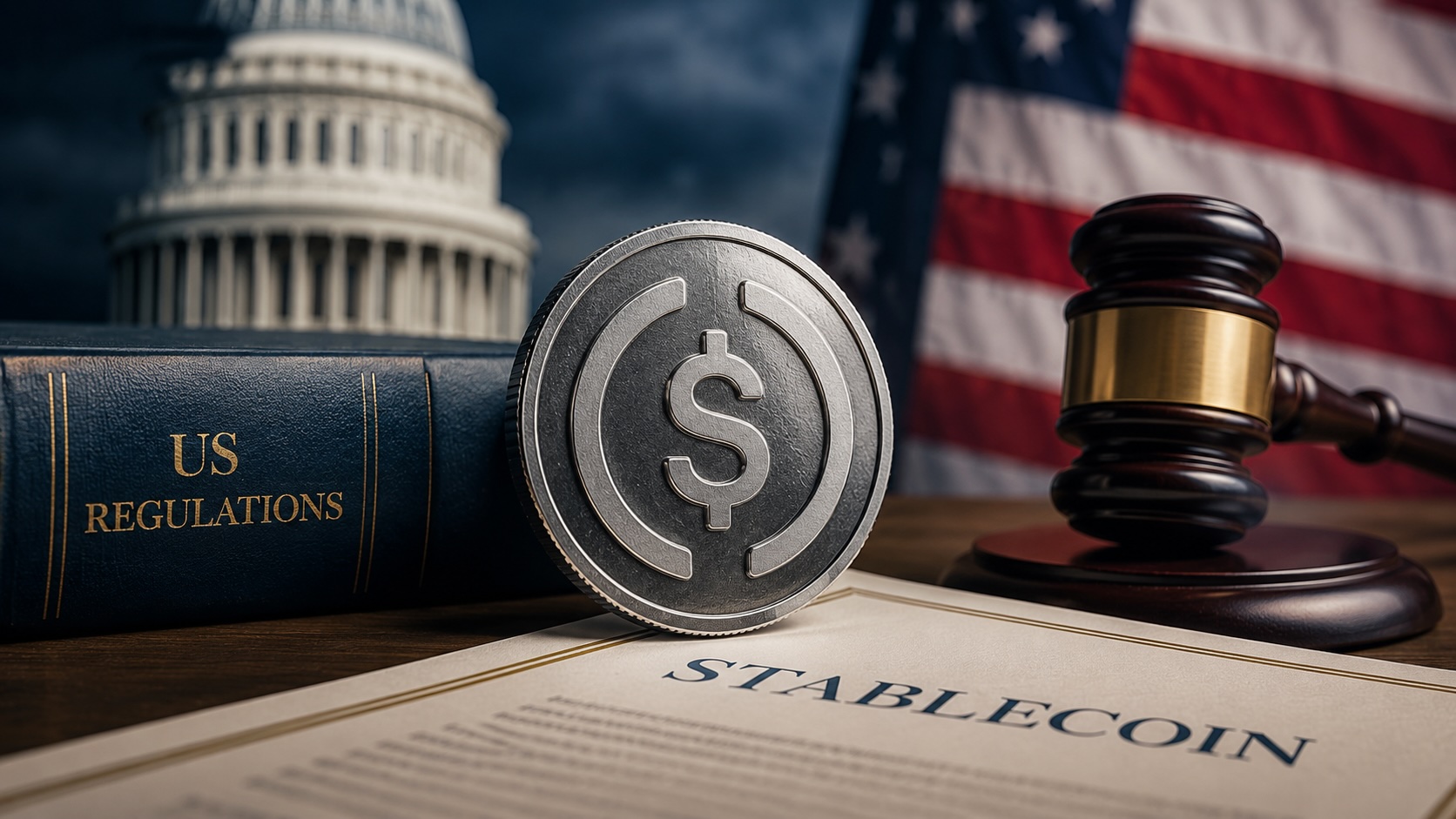
Regulators and industry are debating what ‘stablecoin’ means as the GENIUS Act, signed July 2025, changes legal treatment of dollar stablecoins by Jan. 18, 2027 or after final rules.
The GENIUS Act, enacted July 2025, sets a deadline for a new federal regime for dollar-denominated stablecoins: Jan. 18, 2027, or 120 days after federal regulators issue final implementing rules. The law changes which tokens qualify for federal treatment and creates a federal-state supervisory structure for the largest issuers.
Beth Haddock, Global Policy Lead at the Stablecoin Standard and chair of the compliance committee at NYDFS-regulated GMO-Z.com Trust Company, said the term “stablecoin” currently covers very different products. She argued that treating them as one category can hide differences in reserves, counterparty exposure and operational design.
The Stablecoin Standard has published two narrow definitions to separate product types. A payment stablecoin is described as a fiat-backed token issued on a blockchain, subject to prudential regulation where a primary regulator exists, with reserves held at a strict 1:1 ratio in high-quality liquid assets. A DeFi stablecoin sits outside that definition and carries distinct smart-contract and counterparty risks.
Under U.S. practice before GENIUS, many tokens operated under state money-transmitter or trust laws and general consumer-protection rules. GENIUS creates a dual federal/state model, an inter-agency certification review committee with discretionary authority, and standards that the Office of the Comptroller of the Currency (OCC) may apply. The act also sets a $10 billion issuance threshold that would move larger issuers to OCC supervision.
Practical effects for issuers and investors include changes in licensing, supervision and capital requirements for tokens that aim to meet the federal payment-stablecoin standard. The $10 billion threshold could shift oversight of major issuers to federal regulators, while smaller issuers are likely to remain under state regulators until they cross that level or until federal rules take effect.
European and U.K. authorities are taking different regulatory paths. The European Union is integrating digital money into existing financial instrument categories under its crypto rules, while the Bank of England has signaled a more supervisory approach to digital money in the United Kingdom.
Operational resilience and reserve transparency are recurring concerns among industry and regulators. Haddock described layers of risk beneath a coin’s peg, including reserve composition, third-party counterparties and smart-contract vulnerabilities. She said unclear legal definitions can create market uncertainty and make it harder for users and institutions to understand how a token would protect them in a hack or a reserve shortfall.
Haddock plans a follow-up discussion on remittances, real-world assets and institutional adoption, and she has urged clearer product definitions so companies and regulators can align compliance, risk management and product design.
Tags
Articles by this author