Sen. Moreno: Banks lobbying to weaken stablecoin bill
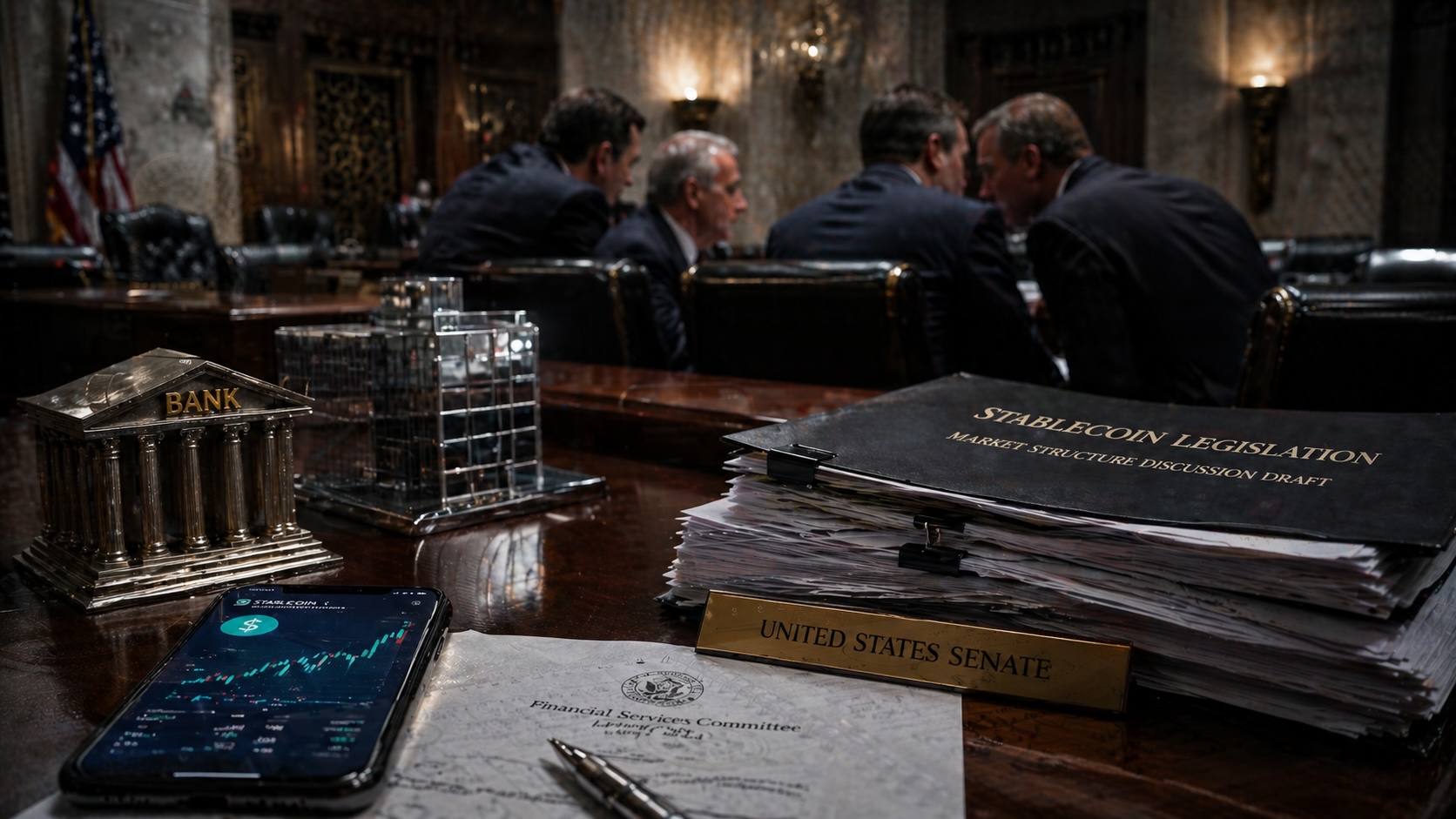
Sen. Bernie Moreno accused major U.S. banks of lobbying to weaken stablecoin legislation ahead of a Senate Banking Committee markup, calling the industry a ‘banking cartel’.
Sen. Bernie Moreno accused major U.S. banks of lobbying to weaken pending stablecoin legislation ahead of a Senate Banking Committee markup this week. He called the industry a ‘banking cartel’ and said banks are rushing to Congress to protect their control over deposits and payment infrastructure.
The comments followed circulation of a letter from American Bankers Association President and CEO Rob Nichols asking bank executives to contact senators before Thursday’s markup. Nichols warned the proposal could ‘incentivize the flight of bank deposits into payment stablecoins’ and said the bill does not sufficiently prevent crypto firms from offering interest-like rewards on stablecoins. The ABA said it supports digital asset legislation but wants additional changes to close what it described as a ‘stablecoin loophole.’
Banks have said stablecoins could pull customer funds away from deposit accounts, weakening the base banks use to fund loans and generating fee income from payments. Stablecoins are digital tokens that represent dollars on blockchain networks, allowing users to hold and transfer digital dollars without using a traditional bank account.
Moreno posted on X that ‘the banking cartel is in full panic mode,’ and accused banks of supporting debanking policies during the Biden administration. He wrote that banks are trying to shield themselves from competition instead of embracing new payment technology.
Executives in the crypto industry pushed back. Paul Grewal, chief legal officer at Coinbase, posted on X that crypto firms had already given up some provisions during talks, writing ‘You got “idle yield” killed. I know because I was there-you weren’t.’ The reference relates to negotiations over whether stablecoin issuers could offer yield-like rewards to users, a feature banks say would compete with savings and money market products.
Stablecoins now process billions of dollars in transfers and increasingly support payment, settlement and treasury functions across digital-asset markets. That expansion has made stablecoins a central issue for regulators and lawmakers debating how to integrate digital dollars into the broader financial system.
The Senate Banking Committee is scheduled to continue discussions and mark up the bill later this week. Lawmakers will weigh proposals intended to set guardrails for stablecoin issuers while addressing bank concerns about deposit erosion and market risk.
Tags
Articles by this author