Coinbase CEO Urges Tokenization, Stablecoin and AI Rules
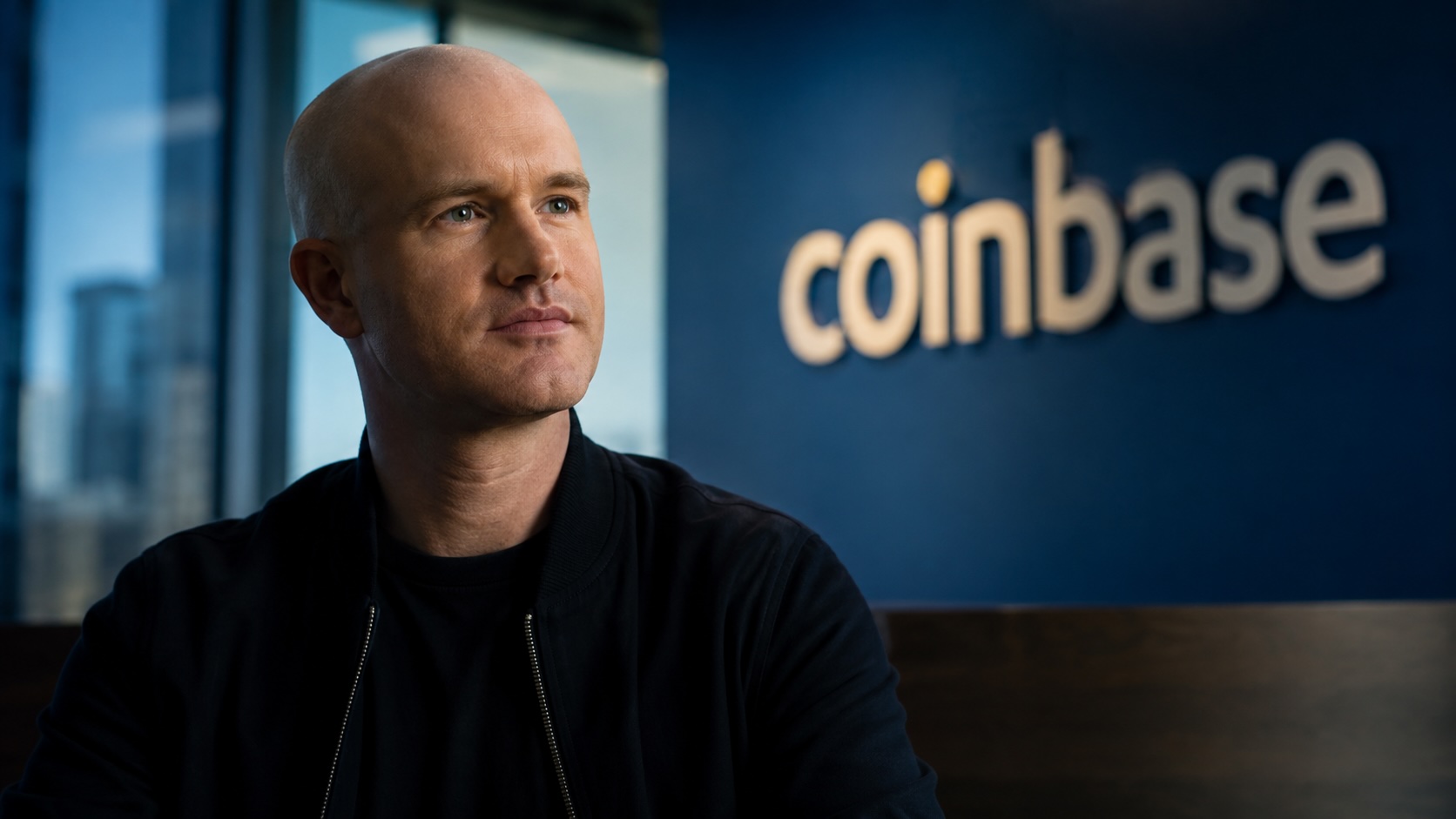
Brian Armstrong published an eight-point agenda on May 24, 2026 calling for tokenized real-world assets, 24/7 trading, clear stablecoin rules, AI risk tools and sound-money reforms.
On May 24, 2026, Coinbase CEO Brian Armstrong published an eight-point agenda that he said outlines remaining work for technology builders and policymakers to update the global financial system. The list covers tokenized real-world assets, round-the-clock trading, clear rules for stablecoins, expanded use of artificial intelligence in finance, and reforms related to sound money and self-custody.
Armstrong called for putting real estate, stocks, bonds and funds on-chain to enable instant settlement, fractional ownership and broader distribution to global investors. He argued that tokenization could allow markets to settle faster and give smaller investors access to asset slices that are currently harder to buy.
The agenda also promotes continuous global markets with pooled liquidity and 24/7 trading. Armstrong said always-open markets could improve capital efficiency and let buyers and sellers interact across time zones without interruptions in trading hours, potentially widening access to leveraged products.
Stablecoins and payments were a prominent focus. Armstrong highlighted payments between autonomous AI agents and asked for clearer regulatory rules for stablecoins to support payments at scale. He noted that Coinbase operates x402, a stablecoin payment protocol the company reports processed more than 75.4 million transactions in the past 30 days.
On artificial intelligence, Armstrong wrote that the technology can improve credit decisions, fraud detection and compliance. He wrote, “AI-powered risk, credit, compliance, and advice — Better decisions, less fraud, and broader access to capital. Everyone gets access to a great financial advisor,” and he urged regulators to adopt risk-based rules rather than blanket prohibitions.
Other items on the list include sound-money principles, support for self-custody, and lower-cost capital formation. Armstrong framed all eight points as outstanding work that requires cooperation between firms building infrastructure and the officials who write rules.
The call for tokenization comes as tokenized real-world assets reached $34.9 billion in May 2026, according to data from RWA.xyz, a total that reflects roughly 200% growth over the past year. Industry advocates say tokenization can increase liquidity and investor access in traditionally illiquid markets; critics point to legal and operational challenges in representing off-chain assets on blockchains.
Armstrong posted the agenda on X and presented it as a combined product and policy roadmap for the broader crypto ecosystem, asking both builders and policymakers to address the eight priorities.
Tags
Articles by this author