SBI Shinsei lets savers convert interest into BTC, ETH, XRP
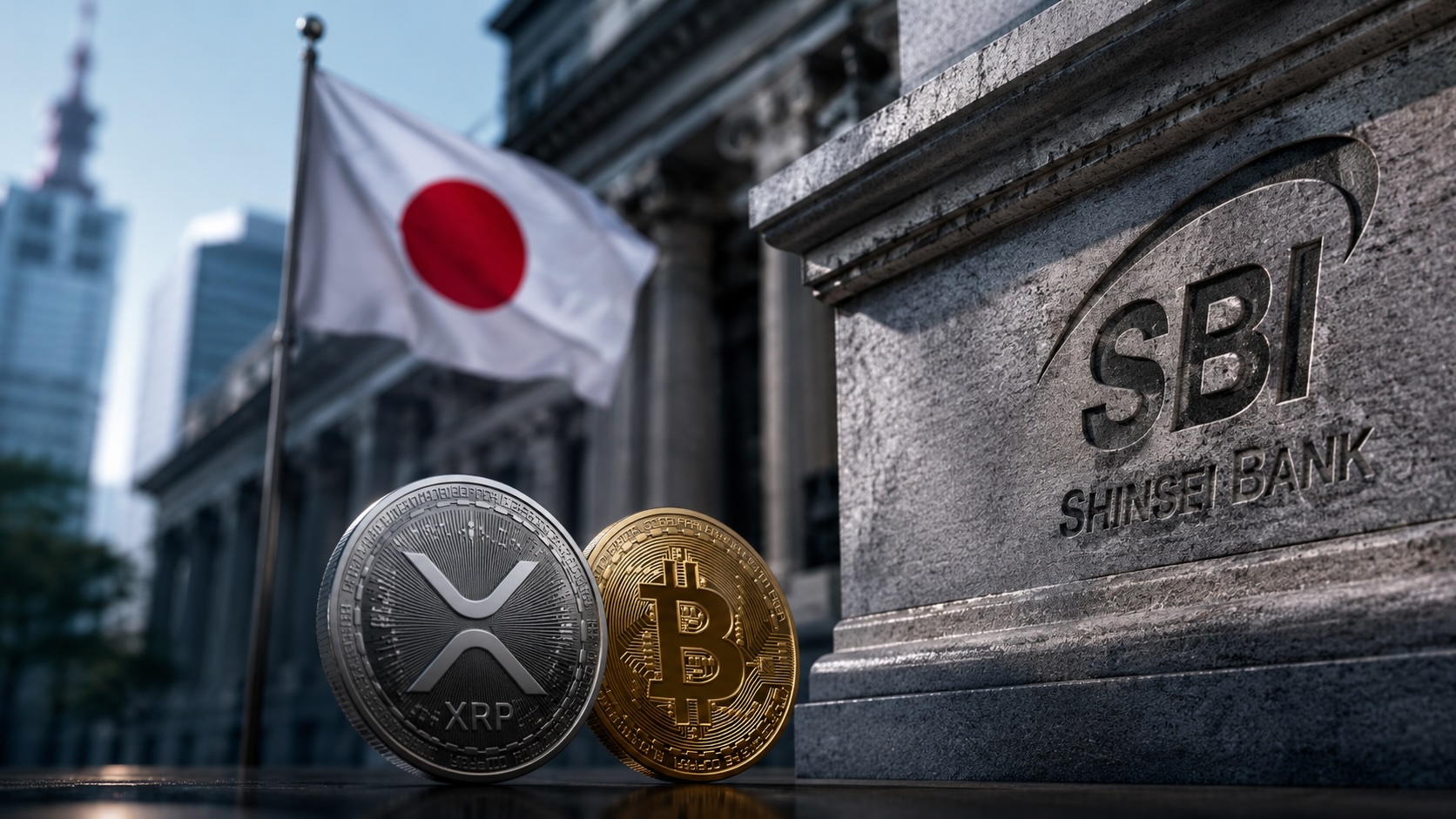
SBI Shinsei will let depositors convert up to 20% of earned interest into BTC, ETH or XRP vouchers from June 10; principal remains in yen and insured.
SBI Shinsei Bank will let depositors convert up to 20% of the interest they earn on yen deposits into vouchers for Bitcoin, Ether or XRP. The pilot starts June 10 and applies to yen accounts; the deposit principal stays in yen and remains covered by Japan’s deposit insurance.
Only the interest portion is converted. Customers must link an SBI VC Trade account to redeem vouchers for tokens, and each conversion is calculated at the crypto asset’s market price on the day the interest payment is processed.
Vouchers can be exchanged for tokens through SBI VC Trade, the group’s licensed crypto exchange. Depositors retain their original yen balances and standard deposit protections while gaining partial crypto exposure via interest payouts.
Retail deposit rates in Japan are low. SBI Shinsei’s headline Hyper Deposit yields about 0.42% a year, so converting 20% of that interest will typically buy only a small amount of cryptocurrency for most savers.
The pilot uses SBI Group infrastructure. SBI VC Trade handles redemptions, and SBI Holdings’ long-standing relationship with Ripple is a factor behind XRP’s inclusion alongside Bitcoin and Ether. The group has also tested crypto credit card rewards and development work on a tokenized yen deposit network linked to JPMorgan.
Japan regulates crypto under the Payment Services Act, which licenses exchanges and allows banks to integrate an affiliated, licensed platform into deposit offerings while keeping deposits classified and insured in yen.
U.S. policy has taken a different approach. The GENIUS Act, signed in July 2025, bars stablecoin issuers from paying yield to holders. A Senate Banking draft of the Clarity Act dated May 12 would prevent service providers and their affiliates from offering deposit-like yields on stablecoins while allowing rewards tied to actual activity.
A Treasury advisory committee estimated roughly $6.6 trillion in U.S. transactional deposits could be exposed if crypto-based yields competed with bank rates. A White House analysis in April 2026 modeled a ban on such yields and calculated an estimated $2 billion shift in bank lending.
The bank will monitor customer uptake and operational performance during the trial and decide on a permanent rollout later this year.
Tags
Articles by this author