Law-enforcement split, ethics fight stall CLARITY Act
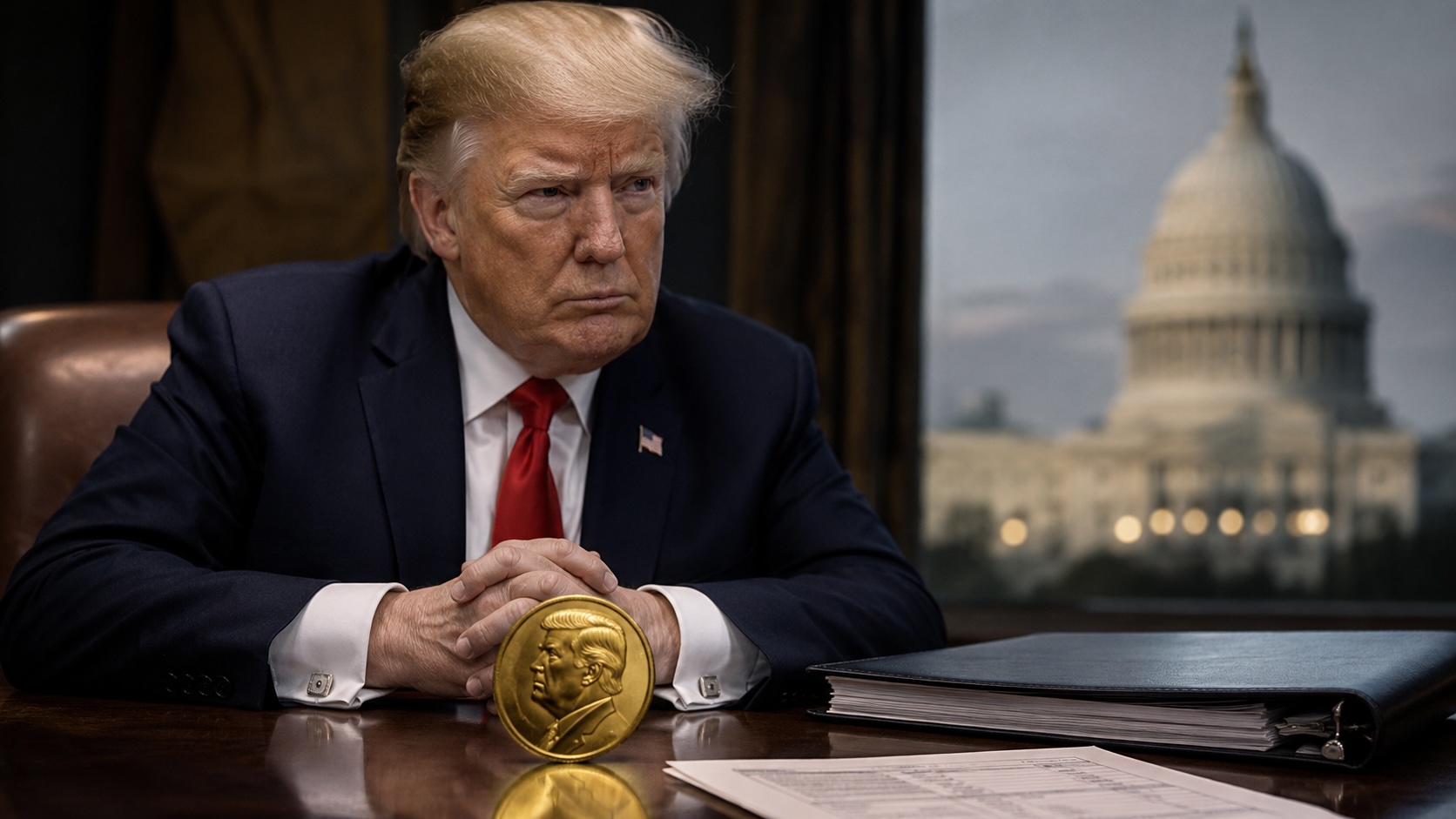
Major County Sheriffs moved to neutral and NOBLE endorsed CLARITY; Democrats seek ethics limits after President Trump’s memecoin income disclosure.
Major County Sheriffs of America moved to a neutral position on Section 604 of the CLARITY Act on July 3, and the National Organization of Black Law Enforcement Executives endorsed the bill, while Senate Democrats are pressing for ethics language after the president’s memecoin income appeared in financial disclosures.
Section 604 would create a limited safe harbor for software developers and providers who do not control user funds. The provision shields those who write code, enable self-custody, or provide infrastructure from money-transmitter liability for those activities alone. The safe harbor would not apply to actors who control funds or who move funds with intent to launder criminal proceeds.
The Major County Sheriffs of America requested a formal role for state and local law enforcement in Treasury’s study and advisory bodies and sought funding for training, technology, forensic tools and investigations. The organization framed its change to neutral as tied to those specific consultation and resource requests.
NOBLE endorsed the bill and highlighted statutory tools in CLARITY that it says expand investigators’ options. The group pointed to a temporary hold mechanism allowing covered agencies to delay a suspicious transaction for up to 30 days with an extension option, Bank Secrecy Act and sanctions provisions, mandated illicit-finance studies, and funding for the Financial Crimes Enforcement Network.
The two law-enforcement positions mean the policy debate will include voices that describe CLARITY as adding investigative capacity as well as voices that remain concerned about potential gaps in oversight. Opponents have warned that a broad carve-out could shelter mixers, tumblers and some decentralized finance services and complicate tracing of stolen funds.
Senate ethics disputes have become a separate condition for many Democratic votes following financial disclosures showing substantial 2025 income tied to a memecoin issued by President Donald Trump. Senator Kirsten Gillibrand on July 3 renewed a push for language that would bar senior elected officials and their spouses from issuing or sponsoring digital assets.
Senate Democrats have indicated they want conflict-of-interest protections as part of any floor package. Senate leaders need a sufficient number of Democratic votes to overcome a filibuster and bring CLARITY to passage.
Legislative timing remains constrained. CLARITY must receive floor time, win Senate passage, clear reconciliation with the House and receive the president’s signature before an election-year recess narrows the calendar. One negotiating path under discussion is a swap: Republicans accept a narrow ethics amendment restricting officials’ ability to profit from sponsoring digital assets, and Democrats accept Section 604 if it includes law-enforcement consultation roles and additional funding for state and local investigators.
Senators and staff continue to negotiate language on the safe harbor, consultation and funding for investigators, and any conflict-of-interest measures for elected officials as they seek a package that can reach the floor before the August recess.
Tags
Articles by this author