Warren backs ban on retail digital dollar in housing bill
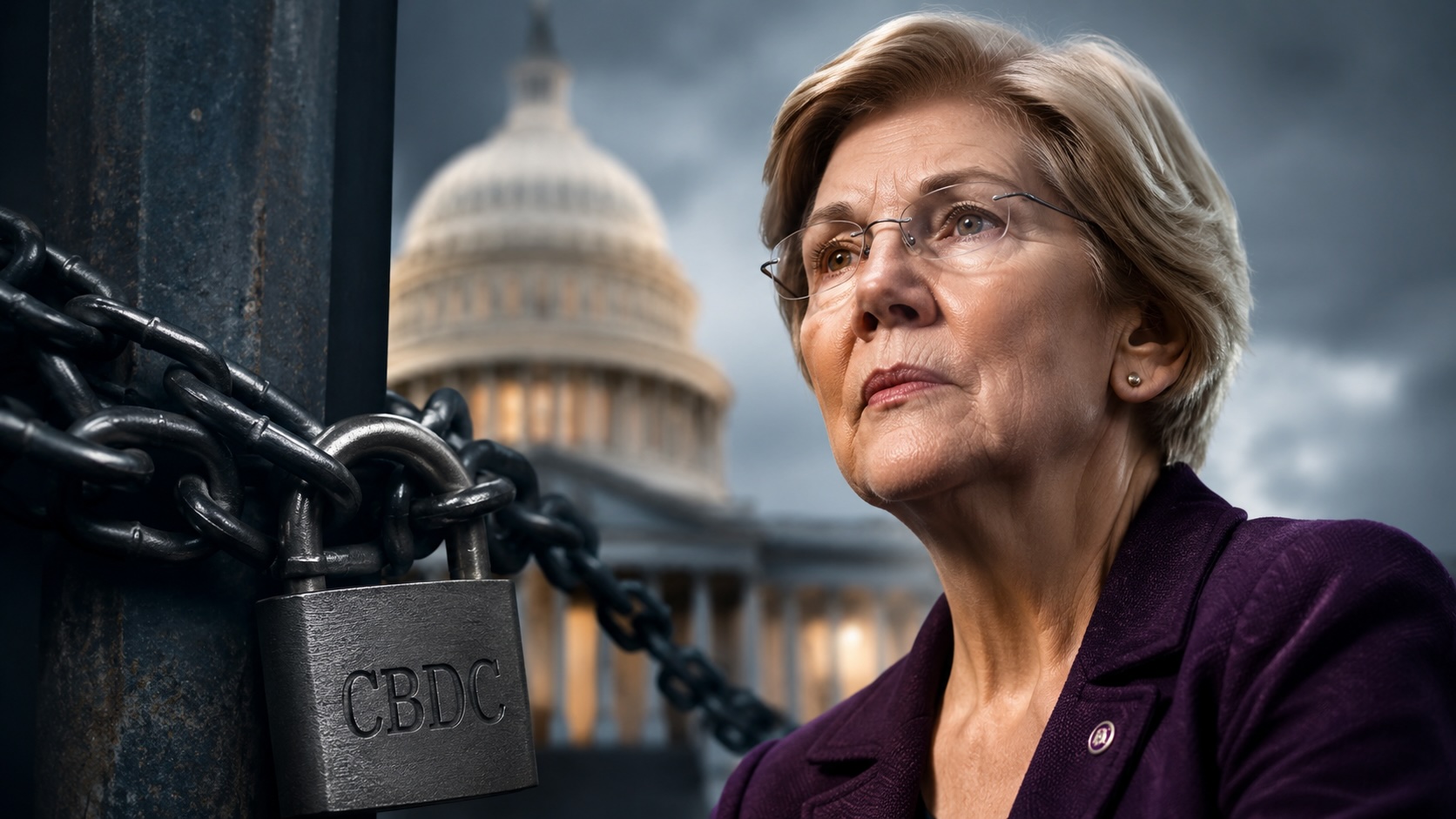
Sen. Elizabeth Warren co-authored the 21st Century ROAD to Housing Act, which bars the Federal Reserve from issuing a retail digital dollar through 2030; Senate approved it 85-5.
Sen. Elizabeth Warren co-authored the 21st Century ROAD to Housing Act, which the Senate approved late Monday by an 85-5 vote. The package includes a provision that bars the Federal Reserve from issuing a retail central bank digital currency through at least 2030 and prohibits any substantially similar program after that without explicit congressional authorization.
The bill is focused on easing the national housing shortage by boosting construction, streamlining permitting and limiting large private equity purchases of single-family homes. The CBDC restriction is embedded in the hundreds of pages of housing and zoning reforms and remained in the final package after negotiations with the House.
Warren has long criticized privately issued cryptocurrencies while earlier supporting research into a central bank digital currency. In a 2021 Senate statement she wrote, “Digital currency from central banks has great promise. Legitimate digital public money could help drive out bogus digital private money.” Her backing of the housing bill places her behind a law that limits the Fed’s ability to issue a retail digital dollar in the near term.
Senators speaking on the floor focused their remarks on housing measures. Warren described the legislation as significant federal housing reform that would spur construction and restrict some private-equity purchases. The CBDC ban drew little attention during those speeches and did not prevent broad bipartisan support for the package.
The immediate policy effect may be limited because the Federal Reserve had been in an exploratory phase on a retail CBDC and Fed officials had said they would not issue one without backing from Congress and the White House. In January 2025, President Donald Trump signed an executive order directing federal agencies to halt work on a retail digital dollar. The statute would enshrine a similar restriction in law through 2030.
The legislation does not permanently eliminate the possibility of a U.S. retail CBDC. It also does not appear to prevent the Fed from continuing research into wholesale tokenized settlement systems or institutional payment platforms. The New York Federal Reserve remains involved in Project Agorá, a wholesale cross-border initiative that does not create consumer accounts at the central bank.
More than 140 countries and currency unions are at some stage of CBDC work, with several countries operating retail digital currencies and many G20 members pursuing projects. Some central banks are prioritizing wholesale systems for bank-to-bank transactions while others advance retail pilots. Opponents of a government-issued digital dollar have raised concerns about state surveillance and concentrated control over transactions; supporters cite potential benefits for inclusion and payment efficiency.
The ban requires Congress to act before a retail digital dollar could move forward and leaves open the possibility of future legislation to enable or further constrain a digital currency.
Tags
Articles by this author