MoneyGram launches MGUSD stablecoin on Stellar
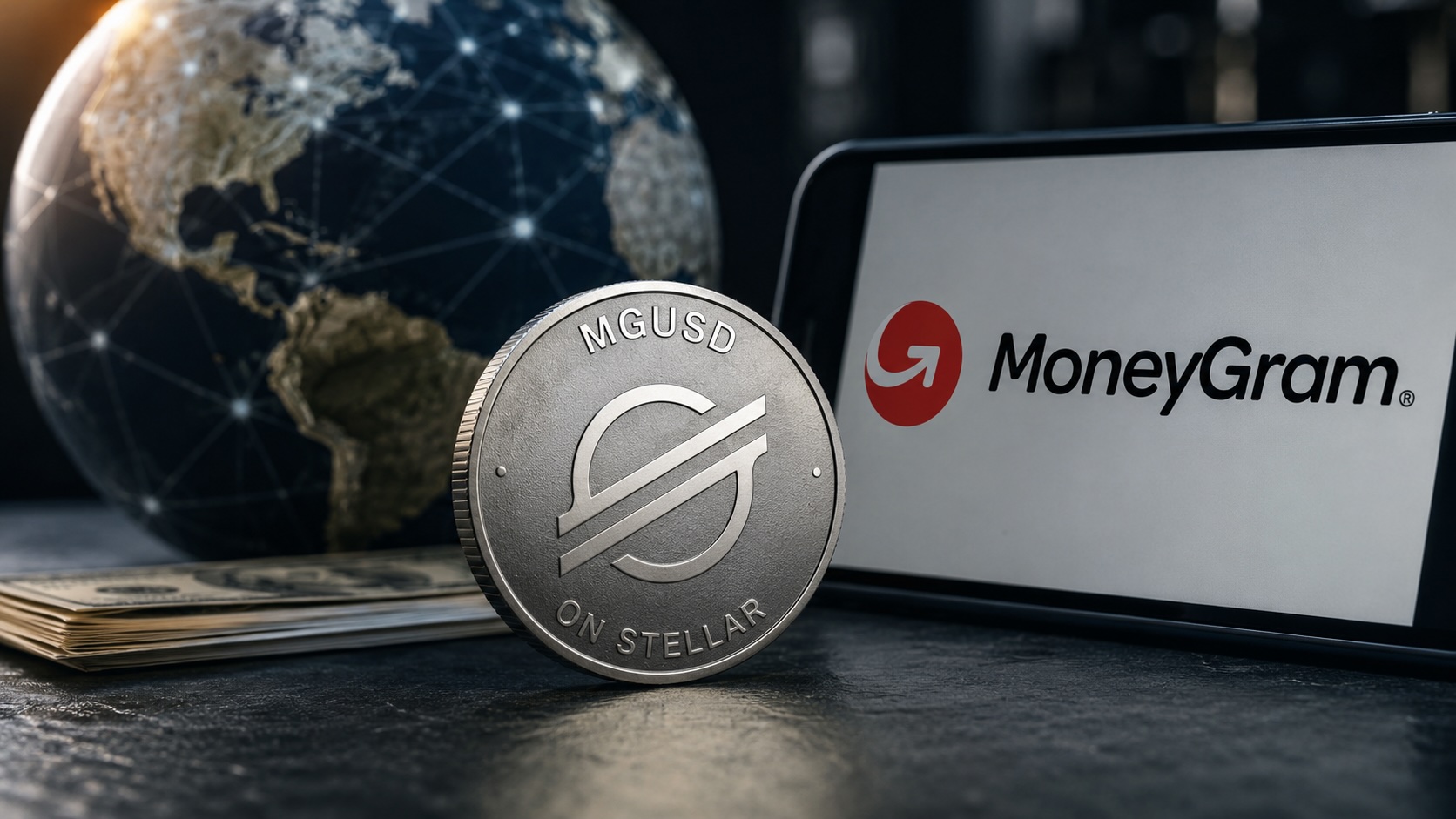
MoneyGram launched MGUSD, a U.S. dollar-pegged stablecoin on the Stellar blockchain to provide 24/7 dollar balances and faster cross-border remittances in the U.S.
MoneyGram announced the launch of MGUSD, a U.S. dollar-pegged stablecoin issued on the Stellar blockchain. The token debuted in the United States and will be integrated into MoneyGram’s remittance rails and mobile app.
MGUSD is a native stablecoin issued one-to-one to the dollar by a regulated entity. MoneyGram named Bridge, a company owned by Stripe, as the regulated issuer. M0 provides the smart contract infrastructure that handles minting and burning on the Stellar network.
MoneyGram stores MGUSD in institutional Fireblocks wallets and routes the tokens into self-custodial wallets embedded in its consumer app. Customers can hold and move dollar-denominated balances from their phones and access funds at any time.
MoneyGram stated the product will provide 24/7 access to dollar balances and faster cross-border transfers. The company plans to let customers convert MGUSD to local currency on demand and to link token balances to cash pickup and retail services within its network.
The company serves more than 60 million active customers through nearly 500,000 retail locations worldwide. Over 70% of MoneyGram’s transactions are already digital, which the company says gives MGUSD an existing distribution network.
Anthony Soohoo, MoneyGram’s chief executive, described the launch as “a different approach to stablecoins,” adding that the firm plans to build applications on top of the token across its global network.
Denelle Dixon, chief executive of the Stellar Development Foundation, called the launch “the next milestone in a five-year collaboration” between Stellar and MoneyGram that has expanded access in emerging markets.
Bridge is described by MoneyGram as a regulated, GENIUS Act-ready issuer. MoneyGram stated MGUSD will support programmable balances and integration across its omnichannel network, and that the initial rollout in the U.S. will be followed by expansion to other remittance corridors.
Tags
Articles by this author