Judge pauses suit over 39,069 dormant Bitcoin wallets
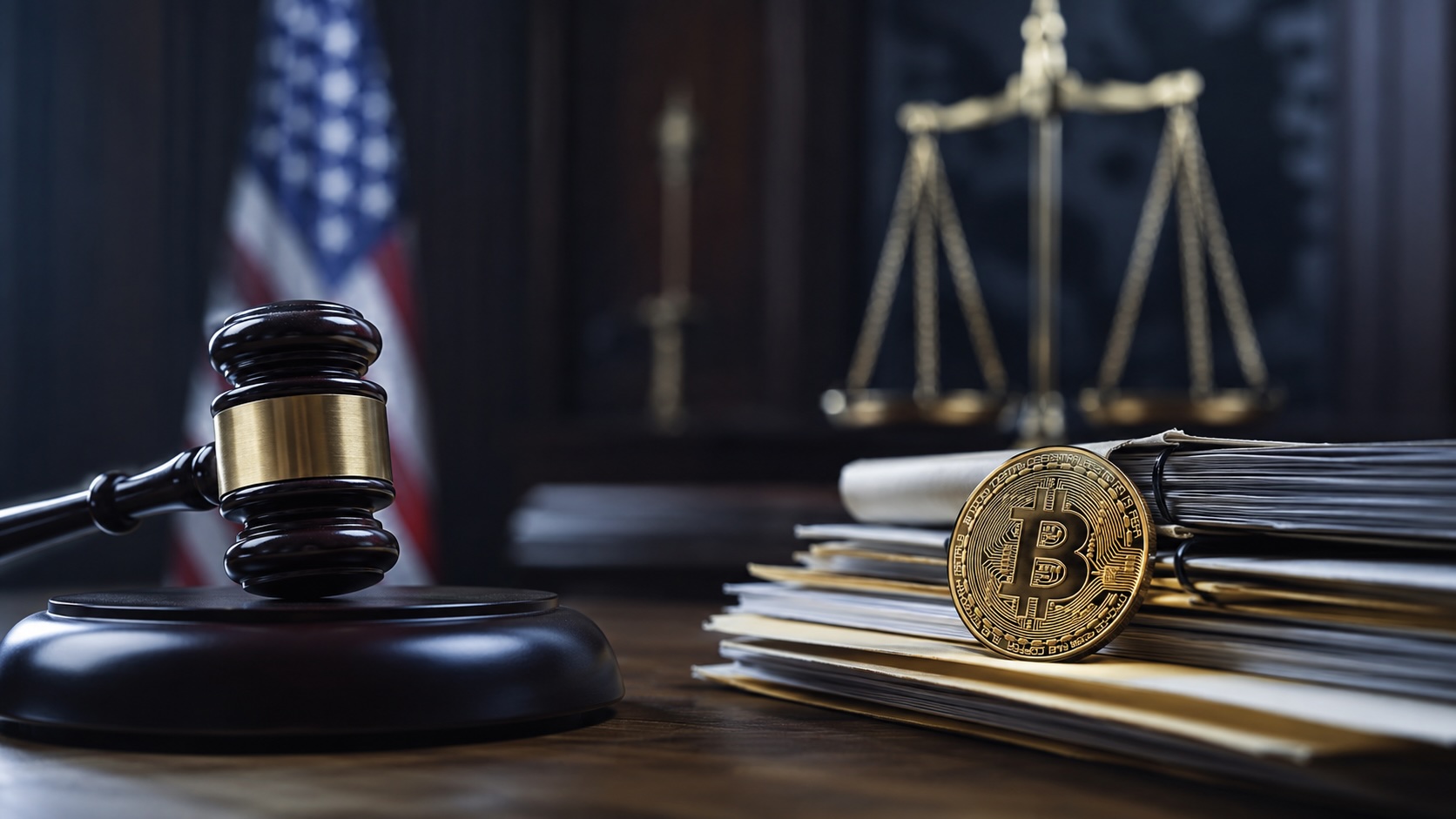
A New York judge paused a suit claiming ownership of 39,069 dormant Bitcoin wallets holding roughly 3.8 million BTC, delaying the case until a July 14 hearing.
Justice Kathy J. King signed an order on June 4 pausing a lawsuit that claims ownership of 39,069 dormant Bitcoin wallets. The case is delayed until a hearing on July 14.
The suit was filed in March by an anonymous plaintiff using the name Noah Doe and two corporate entities. The complaint was expanded on May 1 to add 39,069 wallet addresses and relies on New York’s lost-and-found statute, which the plaintiffs say allows a finder to keep unclaimed property.
The plaintiffs’ unnamed expert assigned each listed wallet a value under $10. Industry researcher Galaxy Research provided a different estimate, saying the average address on the plaintiffs’ list holds about 97.25 BTC and that the combined total across the wallets is about 3.8 million BTC, roughly $235 billion at current prices.
Galaxy identified roughly 21,900 of the addresses, holding about 1.1 million BTC, as tied to activity historically associated with Bitcoin’s creator, Satoshi Nakamoto. One address named as a defendant contains about 79,957 BTC traced to the 2011 Mt. Gox hack; the Mt. Gox repayment process in Japan is still underway.
New York attorney Ian R. Cohen asked the court for permission to file an amicus brief opposing the plaintiffs’ legal theory. In his proposed brief, Cohen wrote, “A wallet that has been dormant for ten years, whose private key is stored on a steel plate in a bank vault, is not abandoned property. It is securely held property.” He argued the lost-and-found law was designed for physical items and does not apply to digital currency recorded on a public blockchain.
Cohen cited a 2022 New York law that directs unclaimed cryptocurrency to the state rather than to private finders as a legal obstacle to the plaintiffs’ claims.
On-chain records show 339 of the addresses listed in the complaint moved coins after public notices were posted in 2025, and some transfers reflected patterns seen in early Bitcoin transactions. Galaxy flagged a number of listed addresses as using address types considered vulnerable to future quantum attacks.
Procedurally, the plaintiffs have until July 7 to respond to Cohen’s filing request and other motions. The July 14 hearing will decide whether the case can proceed as filed and whether Cohen or other intervenors may present opposing legal arguments. The temporary stay bars either side from obtaining a quick ruling while those issues are resolved.
Tags
Articles by this author