Hyperliquid trades $1.4B SPCX perps as 3 exchanges cancel tokens
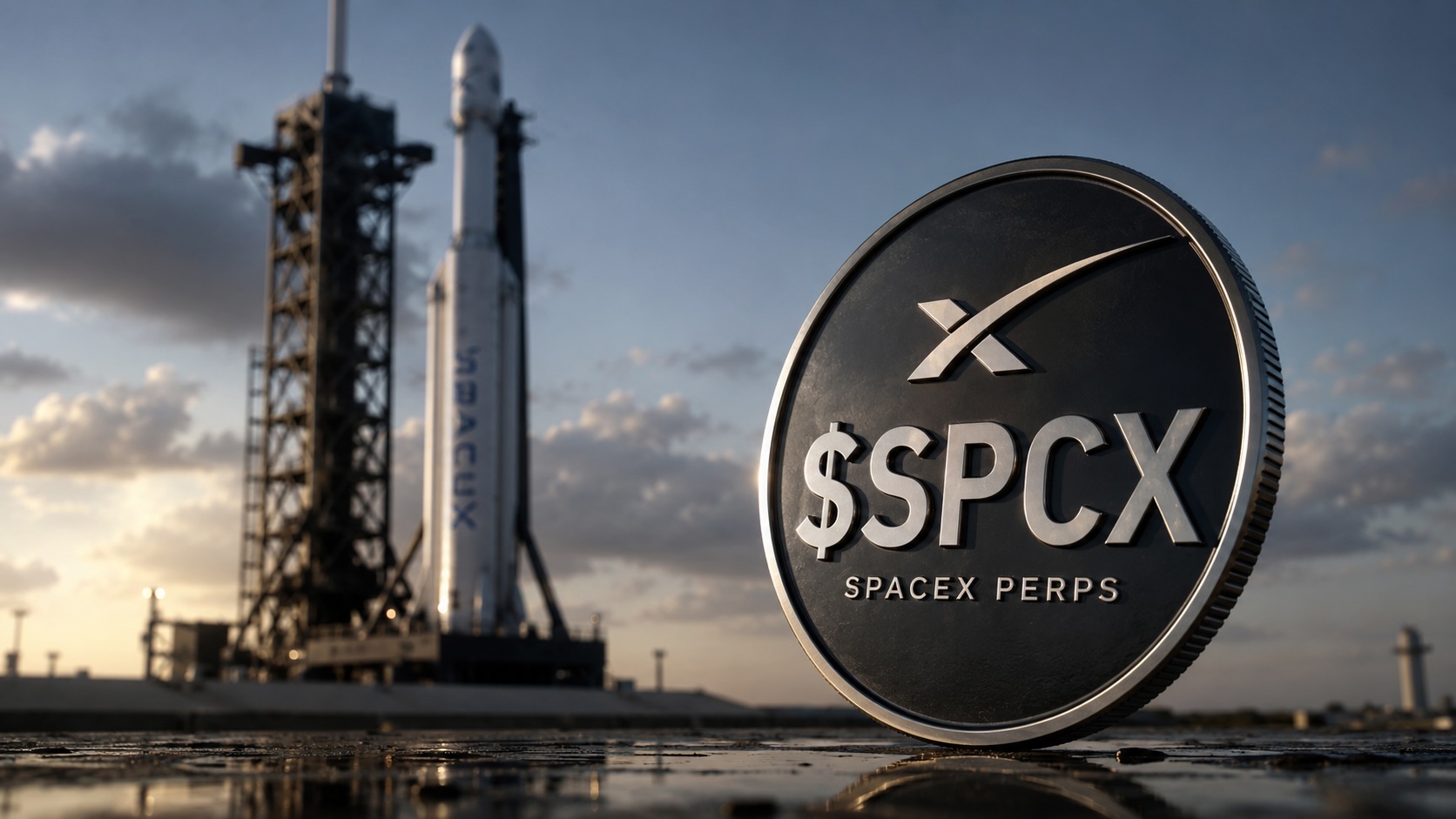
Hyperliquid posted $1.4 billion in SPCX perpetual futures on SpaceX’s IPO day. Bybit, Binance and Bitget canceled tokenized SpaceX products after failing to source shares and revealing 180-day lockups.
On SpaceX’s Nasdaq debut, Hyperliquid recorded about $1.4 billion in volume in its SPCX perpetual futures contract while three major exchanges-Bybit, Binance and Bitget-pulled their tokenized SpaceX products after failing to secure enough real shares.
Hyperliquid’s SPCX perpetual is a synthetic contract that tracks SpaceX’s share price using funding-rate mechanics and does not require custody of underlying stock. The contract generated roughly 30% of trading in the HIP-3 ecosystem during the session and coincided with about a 10% rise in Hyperliquid’s native token, HYPE. HIP-3 stock perpetuals had reached $18.8 billion in volume in the first half of June on the same platform.
The canceled offerings on Bybit, Binance and Bitget were built on tokenized equities converted from actual shares by a custody product known as xStocks. Those tokenized products depend on receiving IPO allocations that can be held in custody and converted into blockchain-based tokens. When xStocks did not receive an allocation for SpaceX shares, the tokenized products on the three exchanges could not be backed and were removed from trading on the day of the listing.
A separate issue affected users of a pre-sales platform called preStocks. That service had sold exposure to SpaceX shares before trading began but users discovered after the market opened that their allocations were subject to a 180-day lockup. Those holders were unable to trade or withdraw their positions while the stock rose about 19% on its first trading day.
SpaceX’s Nasdaq debut saw roughly 500 million shares trade at an average price near $161, or about $80 billion in equity volume on day one. The $1.4 billion in SPCX perpetual volume is about 1.7% of that total.
ICE Chief Executive Jeffrey Sprecher earlier described Hyperliquid as “bigger than Nasdaq.”
Synthetic perpetual contracts settle through derivative mechanisms and funding payments and do not rely on physical share allocations. Tokenized equity products require custody of the underlying shares and are subject to allocation limits and issuer-imposed restrictions. When custodial providers could not supply allocations for the SpaceX IPO, exchanges canceled their tokenized offerings while synthetic perps continued trading.
Tags
Articles by this author